

Snuglo journal
Important Baby Cues to listen out for
Important Baby Cues to listen out for – by Snuglo™ – whether its hunger, pain or sheer tiredness, we can help how to determine what your baby needs.
Important Baby Cues to listen out for – Most new parents will go through a phase of worrying that they’ll never be able to decode their baby, but fear not, no one knows at the beginning.
It can be incredibly frustrating to begin with, you’ll definitely feel clueless but you will soon be able to differentiate your babies cry in an instant. But there is more to it than just tears and tantrums. For example; what does it mean when your baby rubs their ears or starts to smile.
In general not all babies will communicate the same signals but there are general cues that apply to all babies. Here we’ve listed some of the most common baby cues to help you decode your baby.
Crying baby.
This is going to happen. Alot! This is the only way for babies to let you know if they’re hungry, tired, frustrated or in pain. But how can you tell which cry is which? To begin with you should start listening for different tones in your baby’s first month. Generally you will start to learn 4 different cries; hunger cry, pain cry and tired cry.
Hunger Cue
Generally babies will wake up and cry for food, the cry is often short and low pitched and if you don’t give them food quickly the cry will most certainly become a lot louder.
Pain Cue
When your child is in pain the cry is a lot more sudden. It will also last twice as long as a hunger cry and it is continuous. You won’t notice a change in pitch. Nothing you do will be able to settle or distract them.
Tired Cue.
A tired cry is often more of a moan, it’s often softer and less frantic than the other two cries and can often be accompanied with eye rubbing or thumb sucking. Common sense can also help in this area, if you’re child has been awake for a while then it’s likely that they need a little nap.
Eye or ear rubbing.
We mentioned it briefly just a moment ago but we want to go into a little more detail about why babies rub their eyes or ears. Normally it is a sign that your little one is starting to get tired.
But once your baby has reached the age of 6 months, they will probably begin to realise that they have ears and will often take comfort in pulling or rubbing them. If ear pulling is accompanied with a fever then it is possible your little one has an infection so take a trip to your GP.
Smiling.
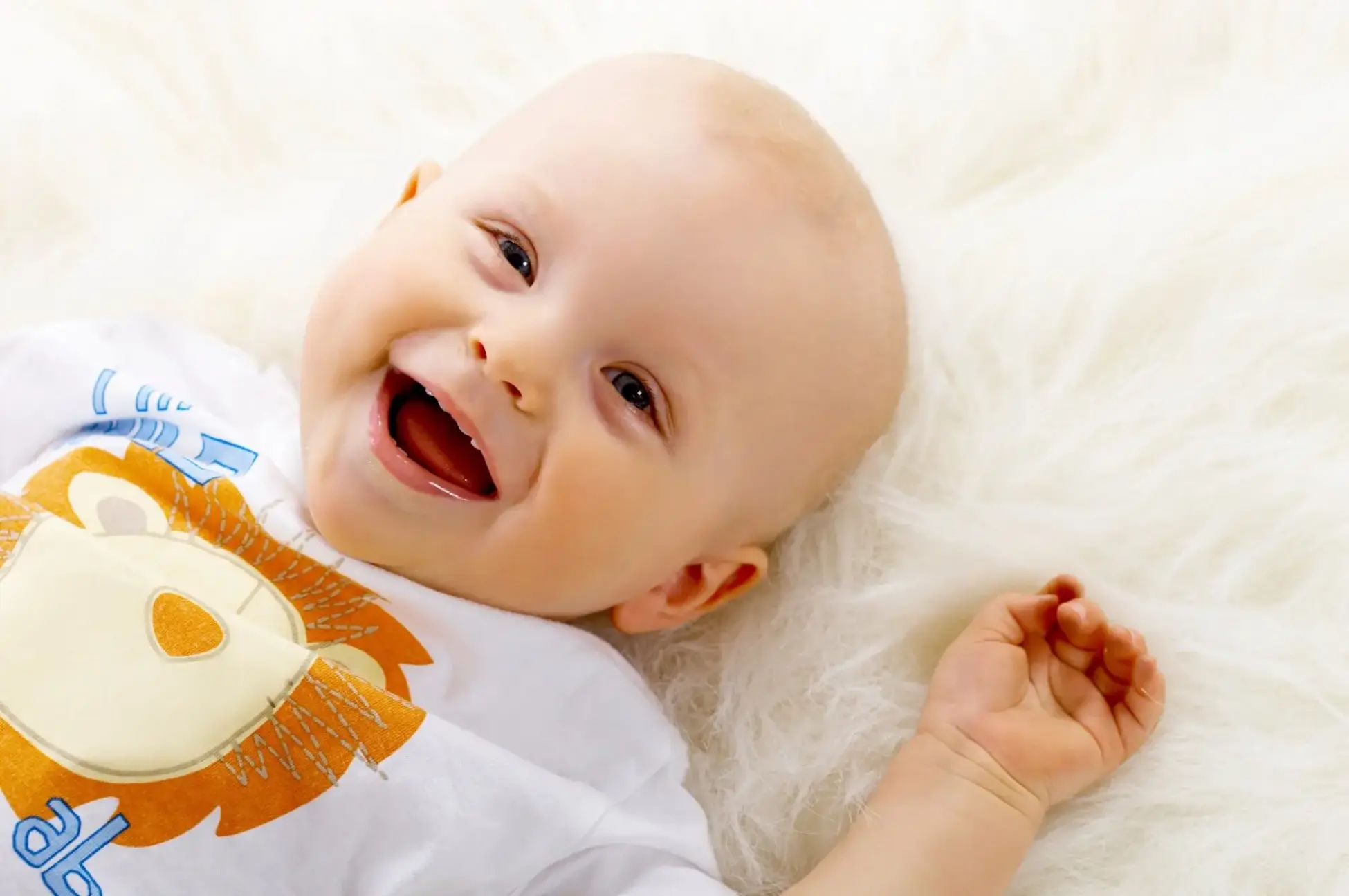
The final baby cue we’re gonna talk about is smiling. This is an incredibly joyous occasion for the parents and by showing how excited and happy you are, you are actually encouraging your little one to do it more. Babies love praise.
Usually you can expect your baby to smile between 6-8 weeks and it’s a sign that your baby is content and around loved ones.
And just remember, you are doing a great job!
Continue exploring Snuglo
Shop baby and children’s clothing · Find the right size · Read more from the Snuglo journal